FCRA Background Check Disputes Explained: Federal Regulations, Consumer Rights, and Legal Remedies
Take a moment to learn your rights — it could save you weeks of frustration over a false background report.
What Is an FCRA Background Check?
Before discussing disputes and violations under the Fair Credit Reporting Act (FCRA), it is important to understand what type of background check you are dealing with.
Not all background checks are the same. In fact, the legal rights available to you depend entirely on the type of report that was generated.
There are several different categories:
Federal or government background checks – These are conducted by government agencies, often for immigration purposes or federal employment. Different legal standards apply.
Self-run or “people search” background checks – Many online platforms offer background reports that individuals can run on themselves or others. These services may not always be FCRA-compliant and are often marketed for informational purposes only.
FCRA-regulated background checks – These are consumer reports prepared by a Consumer Reporting Agency (CRA) for employment, housing, credit, or other eligibility decisions. These reports are governed by federal law under the Fair Credit Reporting Act.
Federal or government background checks
Some employers, such as police departments, schools, and social services, may rely on federal or state-level background checks conducted directly by agencies such as the FBI, the Department of Homeland Security, the Department of Justice, or state law enforcement departments.
These reports are generally not regulated by the Fair Credit Reporting Act because private Consumer Reporting Agencies do not prepare them.
However, any consumer report can contain errors - even reports issued by governmental institutions. If you discover a mistake in a government-issued background report, the dispute process is different.
Instead of filing an FCRA dispute with a consumer reporting agency, you may need to contact both the employer who relied on the report and the specific government agency that issued it to request a correction. Each agency has its own procedures for amending inaccurate records.
Self-run or “People Search” Background Checks
There are many online services - some free, some paid - that allow you to enter your name and instantly generate a background report showing records that are supposedly “associated” with you.
These platforms often display criminal records, past addresses, phone numbers, property records, and even alleged relatives. No need to panic. Typically, there is no proper verification using a Social Security number, driver’s license number, or date of birth.
Their reports are usually marketed for “informational purposes only”. Many of them provide opt-out or data removal forms, although the process can be time-consuming and may require identity verification. However, in most cases, there are no actionable FCRA claims against these sites.
Background Checks Regulated by the FCRA
Now we are getting to FCRA background checks. These are consumer reports that employers, landlords, lenders, and other decision-makers are legally allowed to use when evaluating an applicant. An FCRA background check may include:
Criminal history
Driving records
Employment verification
Education verification
Credit history (when permitted)
General identifying information
The Fair Credit Reporting Act mandates that the information included in these reports must be as accurate as possible and verified through reasonable procedures.
Before placing a record on your report, FCRA background check companies are expected to match multiple identifying data points - not just a name. This may include combinations of full name, date of birth, Social Security number, address history, court identifiers, and other verification markers.
While errors can still happen, these agencies are legally obligated to use reasonable procedures to ensure maximum possible accuracy. If they fail to do so, they may be held liable under federal law.
FCRA Background Check Disputes and Consumer Rights
Consumers have the right to accurate consumer reports — this is a core requirement of the Fair Credit Reporting Act.
Under the FCRA, consumer reporting agencies must follow reasonable procedures to ensure maximum possible accuracy before reporting any information. This means that before placing a record on a background report, the agency must verify that the record actually belongs to the correct individual.
Additionally, the information must be reported accurately and consistently with how it appears in official sources. If a court record, DMV record, or other governmental source reflects a dismissal, expungement, reduced charge, or updated case status, the background check company must report it the same way. Misreporting the disposition of a case, omitting key details, or presenting outdated information can constitute a violation of federal law.
15 U.S.C. § 1681e(b) – Failure to Follow Reasonable Procedures
FCRA Regulation 15 U.S.C. §1681e(b): Maximum Possible Accuracy
Section 1681e(b) of the Fair Credit Reporting Act is independently actionable. This means that in certain cases, a consumer does not need to file a dispute before bringing a lawsuit.
Under this provision, a consumer reporting agency must follow reasonable procedures to assure maximum possible accuracy of the information it reports. If the agency fails to do so, and that failure causes harm, the consumer may pursue a claim directly under § 1681e(b) without filing a dispute with the agency.
However, this claim is actionable only when the reporting error was avoidable.
For example, if a background check company reports a criminal record that does not belong to you, and the agency matched the record using only your name and date of birth, that may be unreasonable — especially if additional identifying information was available. If the agency could have verified the Social Security number, the last four digits of the SSN, driver’s license data, or other unique identifiers, but failed to do so, the mistake may be considered negligent.
The key legal question becomes whether the agency used reasonable verification procedures before publishing the report.
With an experienced background check attorney by your side, it becomes much easier to demonstrate that the agency neglected available verification methods and failed to implement reasonable safeguards. If the inaccurate reporting resulted from inadequate matching procedures or careless data handling, that failure can constitute a direct violation of 15 U.S.C. § 1681e(b).
15 U.S.C. § 1681i – Failure to Conduct a Reasonable Reinvestigation
FCRA Regulation 15 U.S.C. § 1681i : Procedure in Case of Disputed Accuracy
Section 1681i of the Fair Credit Reporting Act provides another powerful cause of action against background check companies.
Under this provision, once a consumer submits a dispute regarding inaccurate or incomplete information, the reporting agency must conduct a reasonable reinvestigation. If the agency fails to investigate properly, ignores the dispute, or continues reporting false information without correction, the consumer may have the right to sue under § 1681i.
In simple terms, while § 1681e(b) focuses on the agency’s duty to ensure accuracy before publishing the report, § 1681i addresses the agency’s obligations after being notified of an error.
Importantly, many strong cases involve violations of both sections. This typically occurs when:
The agency initially failed to verify the information properly (violating § 1681e(b)), and
After the consumer submitted a dispute, the agency failed to correct or reasonably reinvestigate the error (violating § 1681i).
When both violations are present, the consumer’s case becomes significantly stronger. It demonstrates not only negligent reporting practices but also a failure to fix the mistake after being given a clear opportunity to do so.
With experienced legal representation, it becomes possible to establish that the agency both failed to follow reasonable procedures initially and failed to meet its reinvestigation duties after the dispute - creating dual liability under the FCRA.
FCRA Background Check Dispute Process: When and How to Dispute
When a background check contains inaccurate or misleading information, knowing when and how to dispute it can make the difference between protecting an opportunity and losing it.
Pre-Adverse Action Notices and Background Check Dispute
FCRA Regulation 15 U.S.C. § 1681m: Duties of Users Taking Adverse Actions Based on Consumer Reports
Under the Fair Credit Reporting Act, when an employer or landlord runs a background check on you and identifies information that may negatively affect their decision, they are required to provide you with a pre-adverse action notice before taking final action.
This notice is mandatory when the employer or landlord intends to deny employment, housing, or another opportunity based in whole or in part on information contained in the consumer report.
If you notice an error in your background report, it is far better to identify it at the pre-adverse action stage and dispute it immediately - before a final decision is made.
The purpose of the pre-adverse action notice is to give you an opportunity to correct inaccuracies before you lose the job, housing opportunity, or other benefit. Acting quickly can sometimes prevent the denial altogether. By submitting a dispute right away, you give the reporting agency the chance to investigate and correct the mistake before the employer or landlord issues the final adverse action notice.
Post-Adverse Action Notice (Denial) and Background Check Dispute Options
Sometimes consumers miss the pre-adverse or adverse action notice email or letter. In other cases, the employer may fail to properly send it or may not follow the correct FCRA procedure.
While failing to send a proper pre-adverse action notice is often not a strong standalone claim by itself, it can strengthen a case when combined with violations under 15 U.S.C. § 1681e(b) (failure to follow reasonable procedures) and/or 15 U.S.C. § 1681i (failure to conduct a reasonable reinvestigation after a dispute).
In many real-world situations, consumers only discover the background check error after they have already been denied the job, housing opportunity, or other benefit. By that point, the damage may have already occurred.
Disputing a False Background Check After Denial
It is still often worth disputing a false background check, even after a denial, in order to have the inaccurate information corrected.
Once the background check company fixes the error, it typically sends an updated report to the employer or landlord who originally requested it. In many cases, the employer or housing provider may reconsider their decision after being notified that the report contained a mistake. This can result in reinstatement of employment, reactivation of an account, or approval of a rental application.
This is especially relevant for positions that involve periodic or ongoing background checks, such as gig economy platforms like Uber, Lyft, DoorDash, and other app-based services. These companies often conduct recurring screenings, and an inaccurate report can lead to sudden deactivation. Correcting the error promptly may allow the worker to regain access to the platform and restore their income.
Even if compensation is not immediately pursued, correcting the report helps prevent future denials and protects your long-term opportunities.
Of course, if you have recently submitted your information for a background check, it is important to monitor your email and physical mail carefully. Checking at least once a day can help ensure that you do not miss a pre-adverse action notice.
The earlier you identify and dispute a mistake, the less impact it is likely to have on your life, employment prospects, housing plans, or financial goals.
Background Check Dispute Process: What Is Required and How It Works
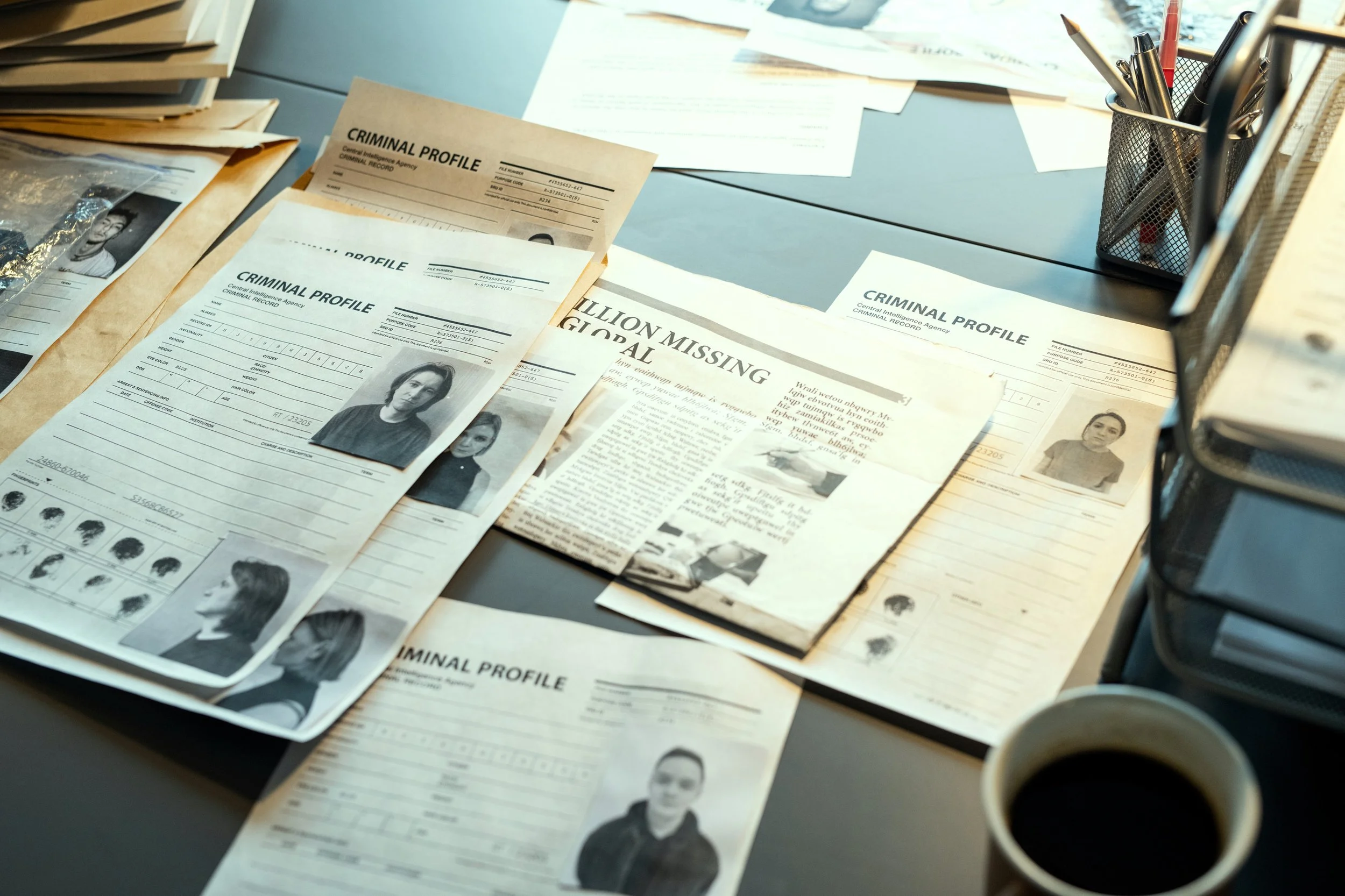
The first step in disputing a background check is identifying the company that prepared the report. You cannot effectively challenge inaccurate information unless you know which consumer reporting agency created and supplied it.
Where to Start a Background Check Dispute
Typically, when you receive a pre-adverse action notice or a final denial, the notice will identify the name of the background check company that prepared the report, along with its contact information.
In the United States, most employment background checks are conducted by large consumer reporting agencies such as First Advantage, HireRight, Checkr, Accurate, and similar companies. For tenant screening, common agencies include RentGrow, TransUnion SmartMove, RealPage, and others.
These companies are considered Consumer Reporting Agencies (CRAs) under the Fair Credit Reporting Act. As such, they are legally required to strictly follow the FCRA procedures discussed earlier.
Typically, each background check company maintains a website with a dispute portal where consumers can submit disputes online. For example, Checkr provides a user-friendly online platform where individuals can access copies of their reports and dispute specific records directly through the system.
Similar portals are available through companies like HireRight, First Advantage, Accurate, RentGrow, and others.
Additionally, most background check companies provide more than just an online dispute portal. They typically list a dedicated email address and a physical mailing address where consumers can send formal dispute letters. Less frequently, some agencies also provide a phone number specifically for dispute-related inquiries.
How to File a Background Check Dispute
While it may be possible to dispute a record over the phone, we strongly recommend submitting disputes by email or certified mail whenever possible. Why? Because written communication creates a documented paper trail. If the background check company fails to correct the error, that documentation can provide significant leverage in court and help establish that the agency was properly notified of the inaccuracy.
Another important point: simply stating, “This record is incorrect,” is often not enough.
While a general dispute may sometimes result in a correction, many background check companies rely on the same automated systems and databases that were used to generate the original report. If the dispute lacks detail, the agency may simply rerun the same flawed verification process and conclude that the information is “verified” - without conducting a meaningful investigation.
What to Include in a Background Check Dispute
Preparing a strong, clear, and well-documented dispute not only increases the chances that the inaccurate report will be corrected, but it also strengthens your legal position if the background check company fails to fix the error.
So how detailed should a background check dispute be? It really depends on the error itself. For example, if your background check shows a record that belongs to another consumer, it may be enough to provide your full name, full Social Security number, and date of birth - this is typically sufficient to distinguish two different individuals.
Still, make sure you clearly indicate the specific record you are disputing (for example, include the case number or state: “The burglary charge from November 2021 is not mine.”). Make sure the agency does not have any opportunity to interpret your dispute as unclear or inconsistent.
If we are talking about a criminal record that actually belongs to you but is being reported inaccurately, then you may need to provide actual evidence of the inaccuracy. This can include official court documents such as dismissal orders, expungement orders, amended judgments, sentencing modifications, or final dispositions. Different types of inaccuracies require different supporting documents, so it is important to submit the specific paperwork that directly proves what is wrong in the report
Need help navigating your Background Check Dispute? Contact Us!
When a Consumer Reporting Agency Ignores Your Dispute
If you received a false background check report, that alone may constitute a violation of your rights under the Fair Credit Reporting Act. If the agency then refuses to correct the inaccurate information after being properly notified, that is most likely an additional violation of your rights.
At that stage, the issue is no longer just about correcting a mistake - it becomes about holding the reporting agency accountable for failing to comply with federal law.
Starting from that point, you may consider looking for a background check attorney who can represent you against the reporting agency.
FCRA attorneys mostly work on a contingency fee basis because the Fair Credit Reporting Act (15 U.S.C. § 1681 et seq.) contains fee-shifting provisions. These provisions allow attorneys to recover fees directly from the violating background check agency, rather than the consumer (It would not be fair to require a consumer, who has already suffered the loss of employment or housing, to pay attorney’s fees out of pocket).
Compensation for False Background Checks and Lost Opportunities
Now we are getting to the most important part of the Fair Credit Reporting Act — compensation for violations.
Under the FCRA, consumers who have suffered financially or emotionally because of inaccurate background reports have the right to seek full monetary compensation.
This may include:
Attorney’s fees and legal costs (paid by the reporting agency),
Lost working hours and lost income resulting from a job denial or suspension,
Emotional distress damages,
Statutory damages of up to $1,000 per violation in cases involving willful noncompliance,
Punitive damages where the violation was willful or reckless.
The purpose of these remedies is not only to compensate the consumer, but also to hold background check companies accountable when they fail to follow federal law.

Fair Reports, Fair Opportunities
Accurate background reports are not just technical documents - they directly affect people’s livelihoods, housing opportunities, financial stability, and reputation.
Consumer awareness is critical. Understanding your rights, monitoring your reports, responding promptly to pre-adverse notices, and taking action when inaccuracies appear can make the difference between a temporary setback and long-term damage.
The more informed consumers are about the protections available under the FCRA, the more effectively they can protect their future and hold reporting agencies accountable when the law is violated.
Have you been affected by a background check error? Contact us!
Read More in Our Blog




















DoorDash, Uber Eats, Instacart, Amazon, Grubhub… The delivery workers are being deactivated from their accounts due to the mistakes on their criminal reports produced by Checkr Inc.