FCRA Identity Theft: How It Impacts Your Credit and Background Reports
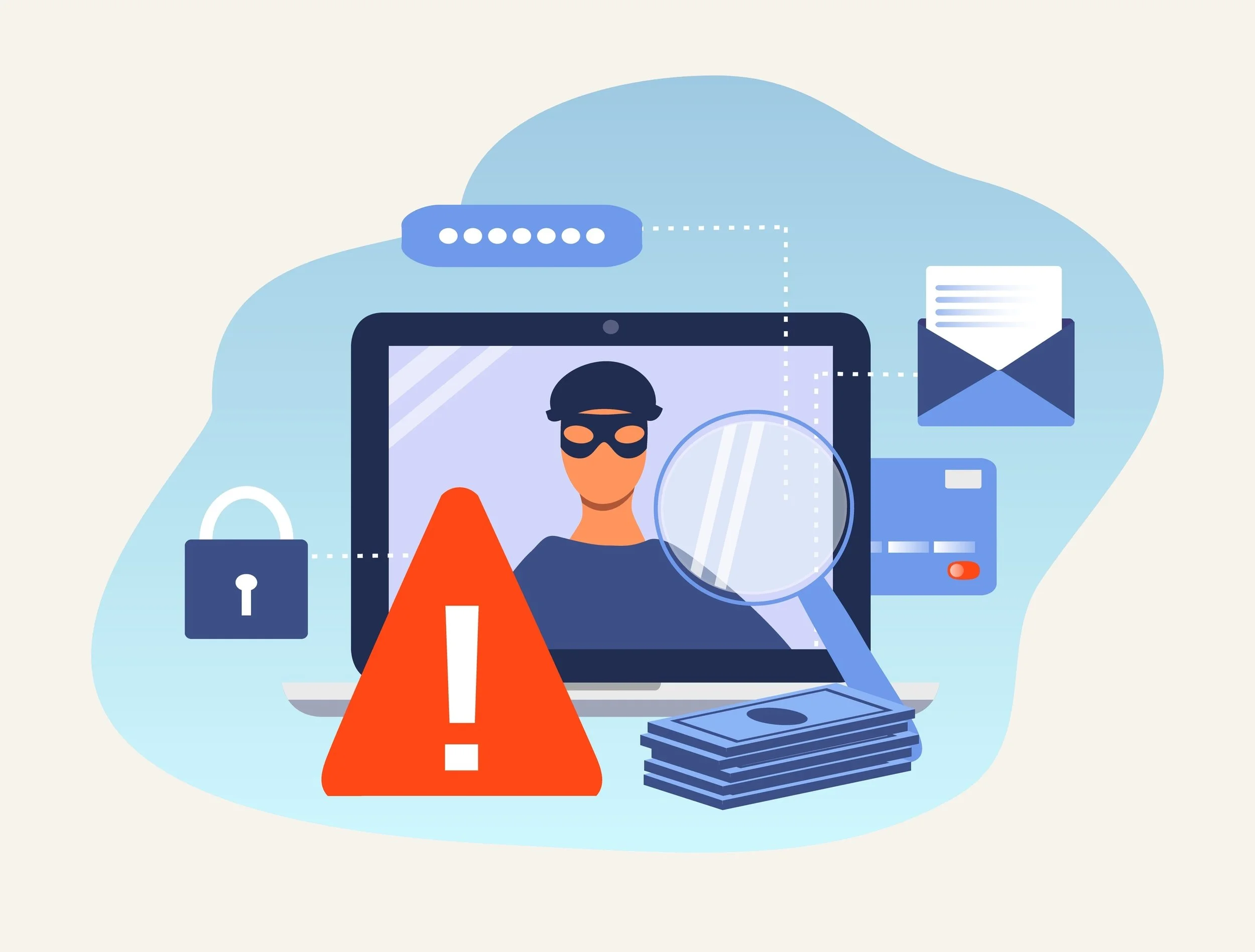
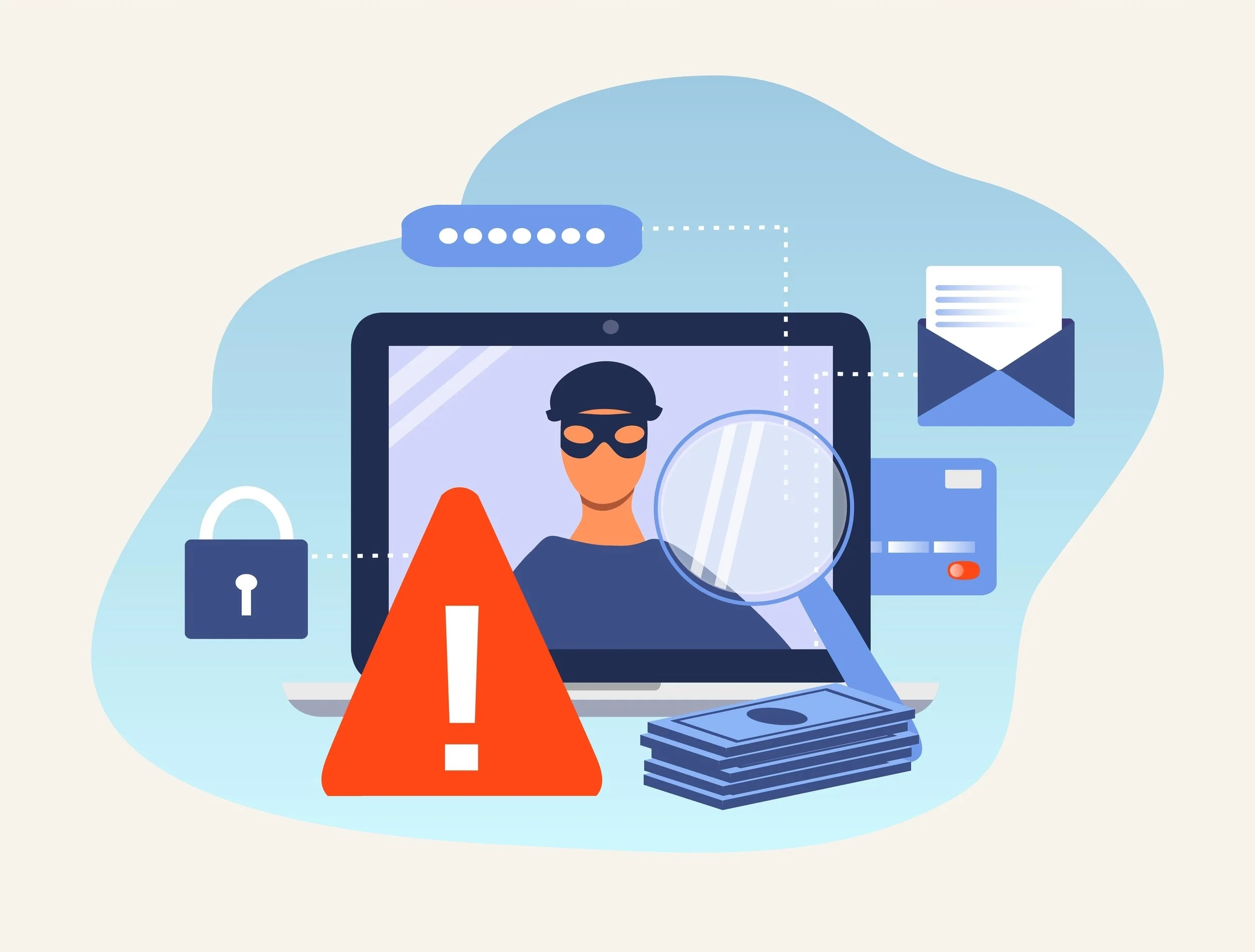
When Identity Theft Turns Into Lasting Damage
Identity theft is one of the fastest-growing financial crimes in the United States. Every year, millions of Americans discover fraudulent accounts, unauthorized credit card charges, or loans they never opened — only after their credit scores drop or they’re denied for a new job or apartment.
But what many people don’t realize is that identity theft doesn’t just harm your bank account — it can also spread to your credit report, background checks, and overall financial reputation. When creditors or background check agencies report fraudulent data, it can follow you for years, affecting employment, housing, and insurance opportunities.
Fortunately, the Fair Credit Reporting Act (FCRA) provides powerful protections for victims of identity theft, giving you the right to dispute false information and hold companies accountable for failing to correct it.
What Is the FCRA and Why It Matters for Identity Theft Victims
The Fair Credit Reporting Act (FCRA) is a federal law designed to promote accuracy, fairness, and privacy of consumer information contained in credit and background reports. It regulates how credit reporting agencies (CRAs) like Experian, Equifax, and TransUnion — as well as specialty agencies like LexisNexis or ChexSystems — collect and share your data.
For identity theft victims, the FCRA is crucial because it gives you specific rights, including:
The right to dispute inaccurate or fraudulent information.
The right to request that fraudulent accounts be blocked from your credit report.
The right to a free credit report after discovering identity theft.
The right to seek damages if a credit bureau or background check company fails to fix false information.
In short, the FCRA ensures that when your identity is stolen, you have a clear legal process to restore your credit and reputation.
How Identity Theft Affects Credit Reports
When someone steals your identity, they can use your personal information — such as your Social Security number, date of birth, or address — to open new credit cards, take out loans, or even apply for utilities and housing in your name. These fraudulent accounts then appear on your credit report as if you opened them yourself.
Common credit report issues caused by identity theft include:
Fraudulent credit card accounts or loans you didn’t open.
Unauthorized charges or accounts in collections.
Late payments or defaults on accounts you never knew existed.
Inquiries from unfamiliar lenders or banks.
Personal information changes, such as a new address or employer you don’t recognize.
Even one fraudulent account can dramatically lower your credit score, trigger loan denials, and make it harder to qualify for housing or employment. Worse yet, if the credit reporting agencies fail to correct these errors promptly after you dispute them, they may be in violation of the FCRA — giving you the right to pursue legal action.
The Link Between Identity Theft and Background Reports
Many people don’t realize that identity theft can also affect background checks — not just credit. When employers, landlords, or insurers conduct background screenings, they often use information pulled from the same sources as credit bureaus or from third-party data aggregators like LexisNexis, Checkr, or First Advantage.
Here’s how identity theft can appear on a background report:
Criminal records tied to your name or Social Security number.
False employment or address history pulled from fraudulent accounts.
Civil judgments or bankruptcies caused by fraudulent financial activity.
Debt collections linked to identity theft appearing as negative public records.
These errors can cause you to lose out on a job offer, be denied a rental lease, or face higher insurance premiums — even if the fraudulent information came from a single stolen account.
Under the FCRA, you have the right to dispute background report inaccuracies in the same way you dispute errors on a credit report. The reporting agency must investigate and remove false data within 30 days.
What To Do If You’re a Victim of Identity Theft
If you suspect your personal information has been stolen or see unfamiliar activity on your credit report, it’s important to act quickly. Here’s a step-by-step guide to protect yourself and start the dispute process under the FCRA:
Get Copies of Your Credit Reports
Visit AnnualCreditReport.com to obtain free reports from Experian, Equifax, and TransUnion. Review them carefully for unfamiliar accounts, addresses, or inquiries.Report the Fraud to the FTC
Go to IdentityTheft.gov and file an official identity theft report. This creates a record that you can use to prove fraudulent activity to creditors and credit bureaus.Contact the Credit Bureaus
Dispute identity theft with each credit bureau that shows fraudulent accounts . Include copies of your FTC report, a photo ID, and any supporting evidence.Request a Fraud Alert or Credit Freeze
A fraud alert warns creditors to verify your identity before opening new accounts. A credit freeze stops any new credit lines from being opened entirely. Both are free under federal law.Dispute Errors on Background Reports
If a background check (for employment or housing) contains false information due to identity theft, contact the screening agency directly to dispute the report under the FCRA.Monitor Your Financial Accounts
Check your credit and debit card statements regularly for unauthorized charges. Notify your bank immediately if you see suspicious transactions — they can help you recover funds and prevent further losses.
How an FCRA Lawyer Can Help Identity Theft Victims
While consumers can begin the dispute process themselves, many identity theft cases are complex — especially when credit bureaus, lenders, or background check companies fail to act promptly or continue reporting false data.
An experienced FCRA lawyer can help by:
Filing disputes and follow-ups with all relevant credit bureaus and data furnishers.
Ensuring compliance with federal deadlines for investigations (usually 30 days).
Demanding corrections or deletions of fraudulent information.
Pursuing compensation for financial losses, emotional distress, and other damages caused by inaccurate reporting.
Under the FCRA, victims can recover statutory damages of up to $1,000 per violation, actual damages for harm caused by the errors, and in some cases, punitive damages when companies act willfully or negligently. Most FCRA attorneys handle cases on a no upfront fee basis, meaning you pay nothing unless they win compensation for you.
The Long-Term Impact of Identity Theft on Your Financial Life
Even after fraudulent accounts are closed, the effects of identity theft can linger. Incorrect data may reappear on your credit or background report if creditors continue reporting it. Insurers and employers might still have outdated files.
This is why ongoing monitoring and periodic report reviews are essential. The FCRA gives you the right to check your reports regularly and dispute recurring errors as they appear. Maintaining thorough documentation — such as copies of disputes, letters, and resolution notices — helps ensure accuracy across all reporting systems.
Protecting Yourself Against Future Identity Theft
While no one can completely eliminate the risk of identity theft, there are practical steps you can take to reduce exposure:
Use strong, unique passwords for financial and online accounts.
Enable two-factor authentication wherever possible.
Shred personal documents before disposal.
Avoid sharing sensitive information over email or phone unless verified.
Monitor your credit reports and bank accounts monthly for suspicious activity.
Consider identity theft protection services that alert you to unusual credit activity or data breaches.
Prevention and vigilance are key — but when identity theft happens, the FCRA ensures that you have powerful legal rights to correct your record and seek justice.
Conclusion: Restoring Trust After Identity Theft
Identity theft can feel overwhelming — it invades your privacy, damages your finances, and threatens your reputation. But you’re not powerless. The Fair Credit Reporting Act gives you the tools to dispute false information, clear your name, and hold credit bureaus accountable when they fail to protect your data.
Whether your credit report shows fraudulent accounts, or a background check wrongly links you to someone else’s crimes or debts, you have the right to take action. An experienced FCRA identity theft lawyer can help you dispute errors, rebuild your credit, and recover damages for the harm caused by inaccurate reporting.
Protecting your identity is protecting your future — and with the right legal help, you can take back control of your financial story.



















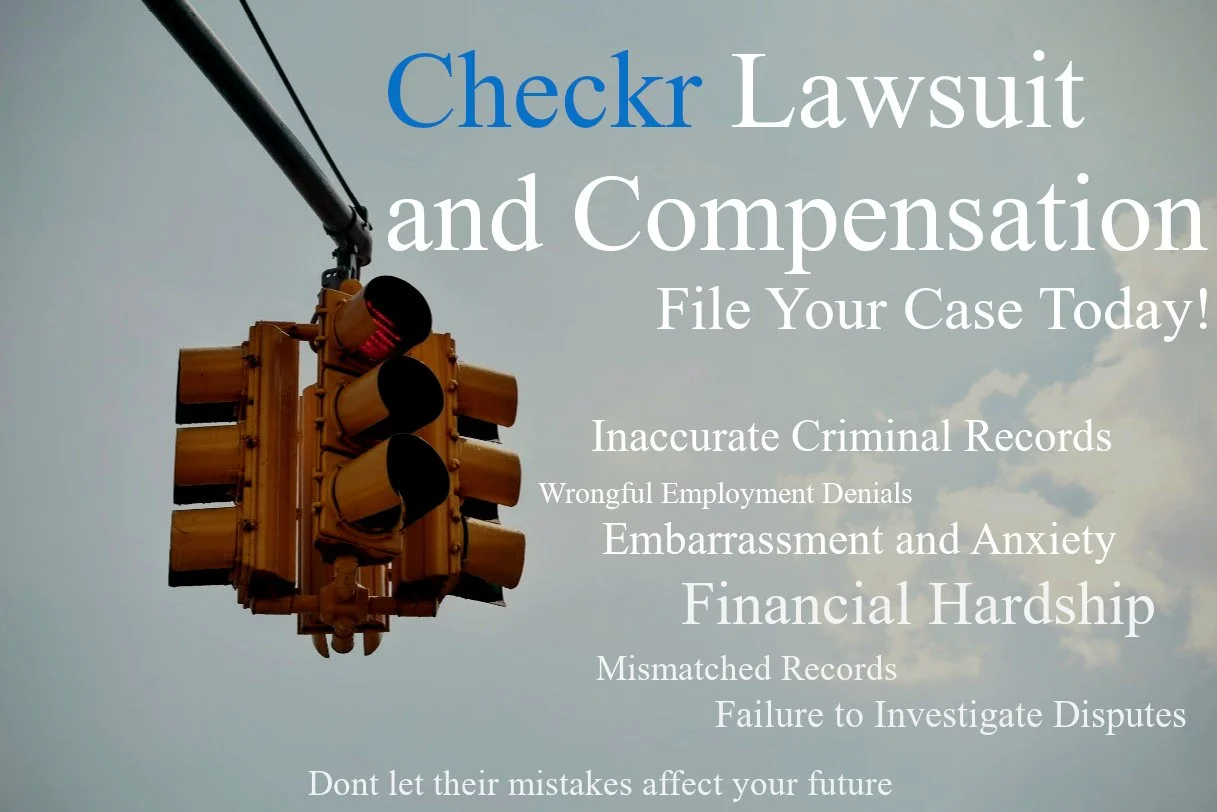



DoorDash, Uber Eats, Instacart, Amazon, Grubhub… The delivery workers are being deactivated from their accounts due to the mistakes on their criminal reports produced by Checkr Inc.