LexisNexis Background Checks: What They Reveal and How They Affect Other Background Check Companies

The Power Behind LexisNexis Background Checks
When most people think of background checks, they imagine employment screenings or credit checks. But behind many of those reports lies one of the largest data brokers in the world — LexisNexis Risk Solutions. Known for its vast information networks and advanced analytics, LexisNexis background checks play a critical role in employment, insurance, housing, and even government decisions.
LexisNexis doesn’t just gather public records; it aggregates, analyzes, and distributes personal data to thousands of background check companies and employers. That means the information LexisNexis holds can directly influence the results of background reports from other consumer reporting agencies (CRAs). Understanding how this system works and how to dispute LexisNexis reports when errors occur is essential for protecting your rights under the Fair Credit Reporting Act (FCRA).
What Is LexisNexis and How Does It Collect Data?
LexisNexis is a global data and analytics company that compiles billions of records from public, private, and proprietary sources. Its databases include:
Court records (criminal, civil, and bankruptcy filings)
Property ownership and tax assessments
Vehicle registrations and accident histories
Business and professional licenses
Insurance claims and CLUE reports
Financial records and credit-related data
Employment and education verification sources
This information is then used to create detailed background reports about individuals and businesses. Employers, landlords, insurers, and even law enforcement agencies purchase these reports to assess risk, verify identity, or make eligibility decisions.
What Does a LexisNexis Background Check Include?
While the exact contents depend on the type of report ordered, a LexisNexis background check may include:
Personal identifiers: Name, date of birth, Social Security number, addresses, and aliases.
Public record information: Criminal charges, court judgments, liens, and bankruptcies.
Property and asset records: Home ownership, deeds, mortgage filings, and tax assessments.
Professional data: Business affiliations, licenses, and corporate ownership interests.
Insurance data: Auto and property claims from the LexisNexis C.L.U.E. (Comprehensive Loss Underwriting Exchange) database.
Credit-related information: Collections, loan records, and payment histories from financial databases.
LexisNexis compiles all of this into a single digital profile, offering clients a comprehensive snapshot of a person’s background. The breadth of this data means a single error can cascade into multiple background check results across different companies.
How LexisNexis Data Affects Other Background Check Companies
Many employers and screening companies don’t collect raw data directly from courts or agencies — they rely on large aggregators like LexisNexis. This means LexisNexis acts as a data backbone for numerous other background check providers, such as:
HireRight
Checkr
Sterling
First Advantage
GoodHire
Accurate Background
When these companies pull data, they often source some or all of it from LexisNexis databases. So, if an error exists in your LexisNexis file — such as an outdated criminal record, wrong address, or incorrect claim — that misinformation may spread across multiple reports.
For example:
A dismissed court case still showing as active in LexisNexis can appear as a red flag on several employment background checks.
An incorrect insurance claim in your CLUE report could influence your auto or renters insurance quotes from multiple providers.
A mismatched identity record might lead to false criminal results under your name when smaller CRAs buy LexisNexis data.
Because LexisNexis serves as a data source for so many other screening companies, one inaccuracy can follow you across industries — even if you dispute it elsewhere.
Common Errors Found in LexisNexis Background Checks
Errors in LexisNexis reports are more common than many realize. With billions of records being merged from thousands of sources, mistakes can easily occur. Common problems include:
Outdated or expunged criminal records still appearing on reports.
Mixed files, where information from someone with a similar name or address is merged into your file.
Duplicate entries for the same court case or insurance claim.
Incorrect property ownership or vehicle data.
Errors in personal identifiers, like misspelled names or wrong dates of birth.
Unverified judgments or liens that were released or settled years ago.
These errors can lead to employment denials, higher insurance premiums, or even loan rejections. Under the FCRA, LexisNexis has a legal duty to maintain accurate information and to investigate consumer disputes promptly.
How to Request Your LexisNexis Background Report
To know what information LexisNexis has about you, you have the right under the Fair Credit Reporting Act (FCRA) to request your file. You can obtain a free copy of your LexisNexis consumer report once every 12 months.
Here’s how:
Go to the LexisNexis Consumer Portal: Visit consumer.risk.lexisnexis.com.
Choose “Request Your Consumer Disclosure Report.”
Provide identification such as your name, date of birth, address, and the last four digits of your Social Security number.
Select the report type — such as your “Full File Disclosure,” “C.L.U.E. Auto,” or “C.L.U.E. Property” report.
Submit your request online, by mail, or by calling the LexisNexis Consumer Center at 1-866-312-8076.
Once your request is verified, you’ll receive your background report — typically within 10 to 14 days. Review it carefully for accuracy, and note any information that appears unfamiliar, outdated, or incorrect.
How to Dispute Errors in a LexisNexis Background Check
If you find inaccurate or outdated information in your LexisNexis file, you have the right to dispute those errors under the FCRA.
To dispute:
Prepare documentation supporting your claim — such as court documents, dismissal records, or letters from insurance companies.
Submit your dispute through the LexisNexis Dispute Center online, or mail your request with copies of supporting evidence to their Consumer Center.
Be clear and specific — identify each incorrect item, explain why it’s wrong, and include proof.
Wait for the investigation — LexisNexis must complete it within 30 days.
If the error is confirmed, LexisNexis must correct or delete the inaccurate data and send you an updated report. You can also request that the corrected information be shared with any employers, insurers, or landlords who received the erroneous report in the past six months.
If LexisNexis refuses to fix verifiable errors, that’s a potential FCRA violation, and you may be entitled to legal relief.
How LexisNexis Impacts Employment and Insurance Decisions
Because of its extensive data reach, LexisNexis background checks can significantly affect your ability to get a job, secure insurance, or qualify for housing.
Employment: Many employers rely on screening companies that source from LexisNexis databases. A false criminal record or civil judgment could lead to a job denial.
Insurance: The C.L.U.E. database influences how auto and property insurers price policies. Inaccurate claims can cause rate increases or policy denials.
Financial decisions: Some lenders and landlords use LexisNexis data to evaluate reliability or risk, which can affect approvals.
This interconnected system makes it critical to monitor your reports regularly — not only at LexisNexis but also at other CRAs that may use its data.
How an FCRA Lawyer Can Help Protect Your Rights
If LexisNexis fails to correct an error or provides false information that costs you a job or insurance coverage, you may have legal options. An experienced FCRA lawyer can help by:
Filing disputes and ensuring LexisNexis complies with investigation deadlines.
Demanding deletion or correction of false data.
Seeking compensation for financial harm, emotional distress, or lost opportunities.
Pursuing statutory damages (up to $1,000 per violation) and attorney’s fees.
FCRA attorneys understand the technical requirements LexisNexis and other background check companies must follow. Having legal help ensures your rights are protected and increases your chances of meaningful recovery.
How LexisNexis Influences the Background Check Industry
LexisNexis isn’t just another background check company — it’s a data supplier for many others. Smaller CRAs often lack the infrastructure or resources to collect information independently, so they license data directly from LexisNexis. This creates a ripple effect: one inaccurate entry in the LexisNexis database can propagate across dozens of reports issued by other background check providers.
In this way, LexisNexis acts as a central hub of consumer data, shaping the outcomes of millions of background checks each year. While this makes the system efficient for businesses, it also magnifies the impact of mistakes — which is why consumer vigilance and strong FCRA enforcement are vital.
Conclusion: Check Your LexisNexis Report and Protect Your Reputation
Your LexisNexis background report can shape how employers, insurers, and lenders view you — often before you even meet them. Because so many background check companies rely on LexisNexis data, even a small error can have widespread consequences.
Under the Fair Credit Reporting Act, you have the right to access your report, dispute inaccurate information, and hold companies accountable for failing to maintain accurate records. Reviewing your LexisNexis file at least once a year — and seeking help from an experienced FCRA lawyer if you find errors — is the best way to protect your reputation, your finances, and your future opportunities.

















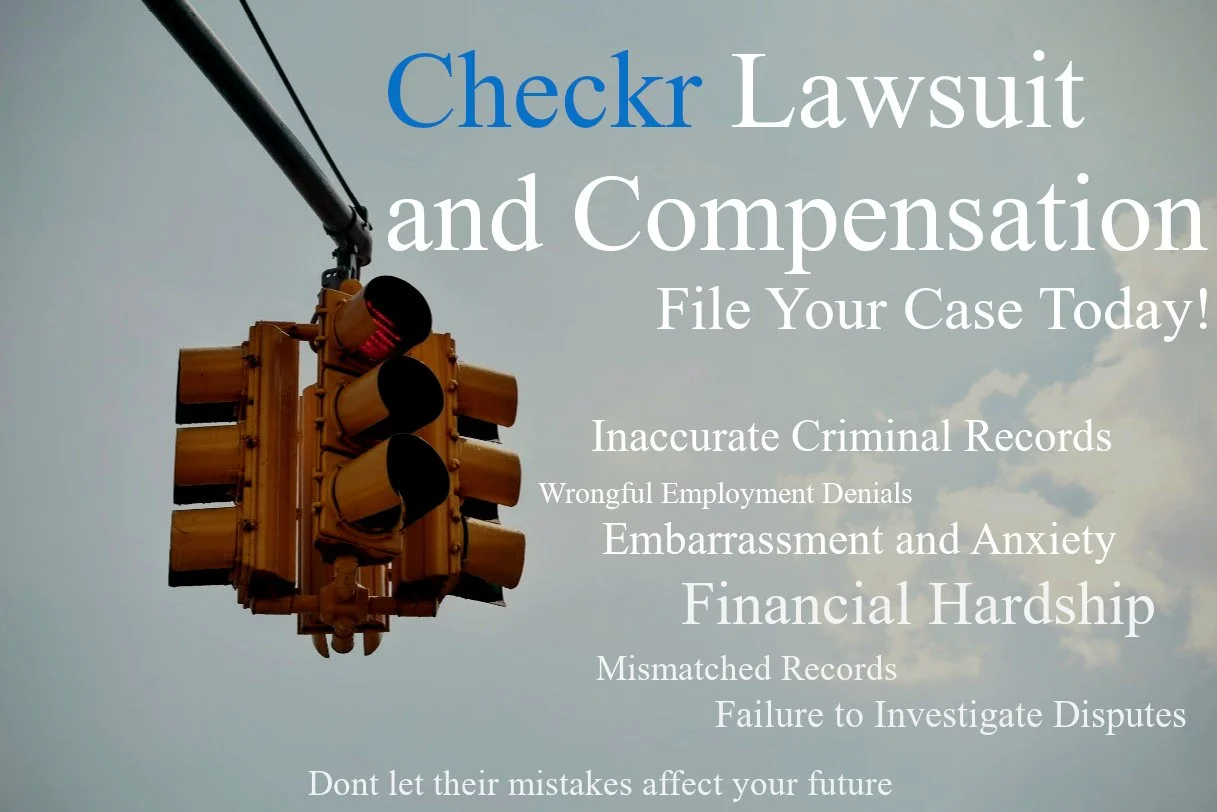



DoorDash, Uber Eats, Instacart, Amazon, Grubhub… The delivery workers are being deactivated from their accounts due to the mistakes on their criminal reports produced by Checkr Inc.