Criminal Background Check Lawyer vs. Criminal Lawyer: What’s the Difference and When Do You Need One?
If you’ve recently failed a background check for a job, housing, or professional license, you may be unsure what type of lawyer can actually help. Many people assume they need a criminal lawyer, but that’s not always true. In many cases, you may need a criminal background check lawyer — someone who focuses on cleaning up or correcting records, not defending against new criminal charges.
Understanding the difference between these two types of lawyers can save you time, money, and stress — and help you get your life back on track.
What Does a Criminal Lawyer Do?
A criminal lawyer, also called a criminal defense attorney, represents people who have been accused or charged with a crime. Their job is to protect your rights, build a defense, and fight to keep you out of jail or minimize penalties.
You would hire a criminal lawyer when:
You’ve been arrested or charged with a criminal offense.
You’re being investigated for a crime.
You’re facing a court trial or plea deal.
Criminal lawyers handle cases like DUIs, assaults, thefts, and drug charges. Their focus is on what happens before and during a criminal case — not what happens after.
What Does a Criminal Background Check Lawyer Do?
A criminal background check lawyer helps people who are dealing with the after-effects of a criminal record — or even worse, errors that appear on their background check reports.
Their main job is to fix, clear, or correct what shows up on your record. This might include:
Expunging or sealing old criminal records.
Correcting background check mistakes, such as charges that were dismissed but still show up.
Disputing inaccurate reports under the Fair Credit Reporting Act (FCRA).
Advising on employment, housing, or licensing restrictions caused by criminal history.
You need this kind of lawyer after your case is over, especially if your criminal past or an inaccurate record is affecting your ability to move forward.
When to Hire a Criminal Lawyer
You should hire a criminal lawyer when you are currently facing criminal charges or are at risk of being charged. This includes:
Being arrested or subpoenaed.
Receiving notice of a criminal investigation.
Being called to court to answer for a crime.
Their goal is to defend you, ensure your rights are protected, and help you avoid conviction or severe sentencing.
When to Hire a Criminal Background Check Lawyer
You should hire a criminal background check lawyer when your past or inaccurate records are holding you back — even if your criminal case ended years ago. You may need one if:
You failed a background check for employment or housing.
A dismissed or expunged case still appears on your record.
You’re being denied a professional license because of old convictions.
A background check company is reporting false or outdated information.
Their goal is to clear your name and fix your record, so you can move on with your life and access fair opportunities.
Key Differences Explained
The main difference comes down to timing and purpose. A criminal lawyer helps you during a criminal case, when your freedom is on the line. A criminal background check lawyer helps you after the case, when your reputation and opportunities are affected by your record.
Criminal lawyers focus on defense; background check lawyers focus on rehabilitation and correction.
If your case is active, you need a defense. If your case is over but your record is still haunting you, you need repair.
Why the Right Lawyer Matters
Many people waste time contacting criminal defense attorneys after failing a background check — only to learn those lawyers can’t help. That’s because clearing or correcting records involves different laws and procedures, like expungement petitions, record-sealing motions, and FCRA complaints.
A criminal background check lawyer specializes in navigating these systems. They can file the right paperwork, dispute inaccurate data, and make sure background check companies follow the law.
By hiring the right type of attorney, you can save months of frustration and take the proper legal steps to restore your record.



















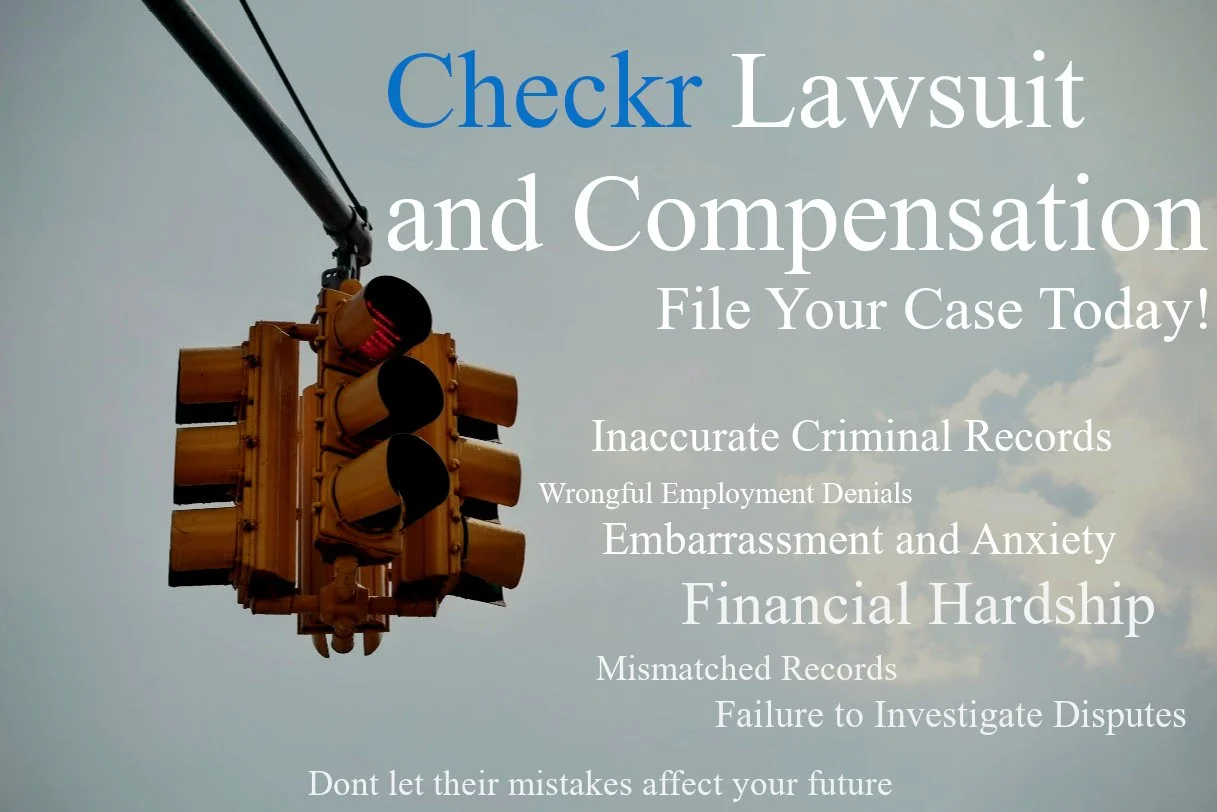



DoorDash, Uber Eats, Instacart, Amazon, Grubhub… The delivery workers are being deactivated from their accounts due to the mistakes on their criminal reports produced by Checkr Inc.