How Tenant Background Check Errors Can Ruin Housing Applications
When you apply for a rental home, you expect the process to be straightforward: fill out an application, pay the fee, maybe provide references, and wait. But what happens when the screening report the landlord uses shows something you didn’t expect — or worse, something that isn’t yours at all? A seemingly small error in a tenant background check report can cost you the unit, stall your housing search, and leave you wondering why.
Third-party screening firms assemble reports using sources such as your credit history, eviction filings, criminal and court records, and identity verification. If even one piece of data is incorrect — perhaps an eviction that was dismissed but still appears, a criminal charge that doesn’t belong to you, or a report that merges you with someone else — your application may be rejected for reasons you don’t understand.
Here’s how the process can break, why it matters, what to do about it, and how you can protect yourself.
Why Background Check Errors Happen
Behind every tenant screening report, there’s a chain of data: records pulled from multiple databases, matched to your identity by screening firms, then supplied to a landlord or property manager. Mistakes can occur at any point.
Mixed files are one common culprit. That’s when your record is inadvertently merged with someone else’s — often someone with a similar name, shared address history, or the same Social Security number component. The result: someone else’s eviction, criminal history, or financial trouble appears under your name.
Outdated or incorrect records are another problem. Suppose you had an eviction filing that was dismissed, or a criminal charge that was expunged or sealed. If the screening report still lists it as active, that mistake can be treated like a genuine risk by landlords. Even when laws require certain items to fall off a report, screening companies don’t always update.
Also, data-entry or matching errors happen — typos, mis-linked records, partial identifiers. Many screening algorithms use name, date of birth, address history — not always full SSNs — resulting in false matches.
And finally, insufficient verification: some firms may rely on automated matches without adequate human review or fail to update records when courts change dispositions. This means even technically “correct” data may be misleading because context is missing (e.g., an arrest without noting dismissal).
How It Affects Your Housing Application
When your tenant screening report contains errors, the consequences go far beyond an inconvenience. Here’s what can happen.
Application denial. The most immediate and visible effect: you don’t get the rental unit. Landlords often make quick decisions and may not provide full explanations; a screening report that shows a problem (even if that problem isn’t yours) can lead to rejection.
Extra costs or tougher terms. Even if you’re not denied outright, you might be asked for a higher deposit, shorter lease term, or a guarantor — all because the screening report flagged you as higher risk.
Lost time and money. Application fees, moving costs, taking time off work for tours — all these add up while you’re fixing the error or searching elsewhere. Meanwhile, other applicants move ahead.
Reputation and future risk. Once you’re flagged, even if corrected, some landlords or property managers may view your file skeptically. That lingering effect can make future applications harder.
Barrier to stable housing. When you’re continually bumped down the applicant queue because of screening mistakes, you may lose out on better units or be forced to settle for less desirable housing.
In short: a background screening error isn’t just a data glitch—it can disrupt your housing stability, finances, and future opportunities.
What You Can Do When You Suspect an Error
If you’ve been denied housing due to a background check or asked for unusual terms and suspect the screening report is to blame, take these steps:
Ask for an adverse action notice.
If the landlord takes a negative action (denial, higher deposit, etc.) because of a screening report, you’re entitled by law to receive an adverse action notice. This must include the name, address and phone number of the screening company.Request a copy of the screening report.
Once you know which screening company provided the report, request your copy. Review it carefully for incorrect names, mis-assigned identifiers, criminal or eviction records that don’t belong to you, and other red flags.Identify the mistakes.
Pay attention to:Records that clearly belong to someone else (different name, SSN, or address).
Charges or evictions that were sealed, expunged, or dismissed but still show active status.
Mismatched personal information (address history, dates).
Credit report or eviction items you don’t recognize.
Multiple entries from one event (which exaggerate negative history).
File a formal dispute.
Send your dispute in writing to the screening company (and any data furnishers if required). Clearly identify each error, include supporting documents (court records, letters, proof of identity), and keep proof of delivery. The screening company generally has a time-limit to investigate and respond.Notify the landlord or property manager.
If possible, inform them you’re disputing the report and ask them to hold your application or reconsider once corrected. While this doesn’t guarantee reversal, it shows you’re proactive.Consider legal help.
If the error caused you serious harm — lost housing, higher costs, displaced housing, emotional distress — you may have a claim under federal law or state housing/consumer protection laws. An experienced attorney can review your case, help you pursue compensation, and handle the process if the screening company fails to act.
How to Protect Yourself Before You Apply
Prevention is much easier than repair. Here are steps you can take before submitting a rental application:
Check your credit reports from all three credit bureaus and correct any errors — because tenant screening reports often pull credit data too.
Request your tenant screening report (if you’ve applied before) to see what’s already out there.
Use your full legal name, consistent address history, and accurate Social Security or ID across all applications. Avoid “common name” variations unless you also consistently use them.
Ask the property manager which screening company they use and review their application process so you know what’s being pulled.
If you had an eviction, criminal charge, or negative record that you believe was sealed or dismissed, proactively obtain the documentation and consider requesting correction or removal before applying.
Document every application you submit: keep copies of the application, fees paid, screening consent forms — this will help you if you need to appeal or dispute a decision.
By staying ahead of the screening process, you reduce the chance that a mistake will surprise you when you're already emotionally and financially invested in securing a home.
Special Considerations: State & Local Laws
In addition to federal protections, many states and municipalities impose stricter rules on how screening reports can be used. For example:
Some states limit how far back an eviction or criminal record can be reported.
Local “fair chance” housing laws may restrict how landlords use criminal history or impose additional requirements for disclosure.
Tenants in certain cities may be entitled to additional protections or faster dispute resolution.
If you believe the screening company or landlord violated state/local housing laws, consult an attorney who knows your jurisdiction’s rules.
Real-World Example
Imagine this: You apply for an apartment, your credit and rental history are clean, you’ve never been evicted and have no criminal record. You get a surprise denial — the landlord says “background check issues.” You receive the adverse action notice and discover the screening report lists an eviction under your name — one you’ve never had.
Upon investigation, you find that someone else with a similar name and address history had the eviction, but the screening company matched it to you because of overlapping identifiers. You dispute it, the company takes its 30 days, corrects your file — but during that time you lost several housing options, paid multiple application fees, and had to settle for a lower-priced unit. That timeline and disruption is exactly how screening errors translate into real-life harm.
When to Consult an Attorney
If you discover that:
The report contains false or mixed identities (someone else’s record under your name).
A record that was expunged or sealed still appears.
You were denied housing or charged extra because of the report.
The screening company did not provide you with a copy of the report or investigate your dispute as required.
You’ve suffered measurable harm (lost housing, extra fees, emotional distress).
You may have the right to hold the screening company responsible. Under federal law you may seek statutory damages (in some cases up to several thousand dollars per violation), actual damages (lost housing, extra fees), and attorney’s fees and costs.
Is there an error on your background report? Contact us!



















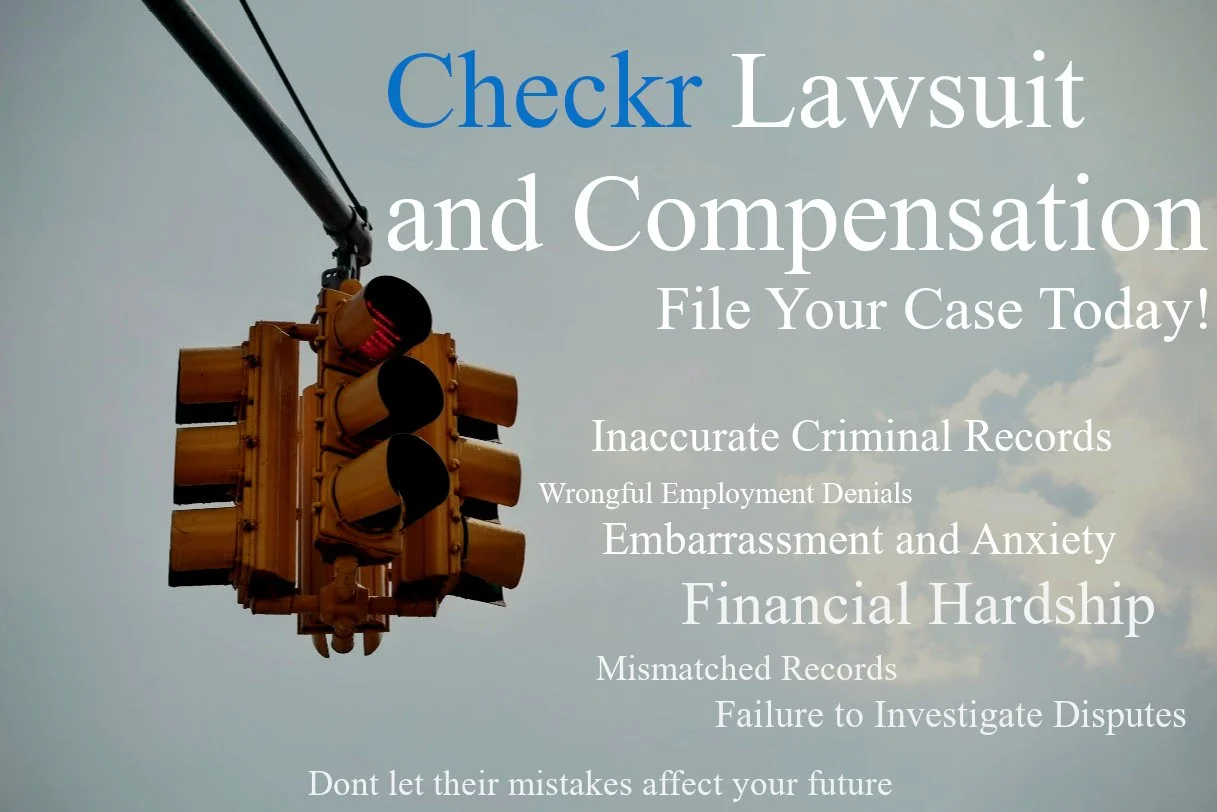




DoorDash, Uber Eats, Instacart, Amazon, Grubhub… The delivery workers are being deactivated from their accounts due to the mistakes on their criminal reports produced by Checkr Inc.