Employment Background Check Errors: How Mistakes Happen and What Employers Need to Know

Employment background checks are meant to protect businesses, but when those reports contain false or outdated information, they can expose employers to legal risks and cause serious harm to applicants. Background check mistakes - from mixed files to inaccurate criminal records, are more common than most hiring teams realize.
How Employment Background Check Errors Occur
Even reputable background screening companies can generate false background checks. The most frequent causes include:
Mixed or merged files: When databases confuse two individuals with similar names, dates of birth, or Social Security numbers.
Outdated public records: Dismissed or expunged cases that should no longer appear on a report.
Incorrect data entry: Typographical or coding errors that link criminal or employment history to the wrong person.
Incomplete court data: Some county courts update digital records slowly, creating temporary mismatches.
Insufficient verification procedures: Screening companies that cut corners or fail to follow up with original data sources.
These background check mistakes can have immediate consequences for both applicants and employers—especially when decisions are made before verification.
Legal Responsibilities for Employers
Under the Fair Credit Reporting Act (FCRA), employers who use third-party background reports have strict duties to ensure accuracy and fairness. Before taking any adverse action—such as denying employment or rescinding an offer—employers must:
Provide the applicant with a copy of the background report before the decision is finalized.
Include a written “pre-adverse action” notice explaining that negative information may affect hiring.
Allow a reasonable period (usually 5 business days) for the applicant to dispute or correct the report.
Send a final “adverse action” notice if the decision not to hire is confirmed.
Failing to follow these steps can expose employers to FCRA claims and class-action lawsuits, even if the error originated with a screening company.
The Consequences of a False Background Check
A false background check can unfairly disqualify a qualified candidate—and cost the employer as well. Businesses have faced lawsuits for:
Using inaccurate or outdated criminal records to deny employment.
Failing to give applicants a chance to correct mistakes.
Relying on background checks from providers that don’t verify their data properly.
Beyond potential fines and damages, errors can damage a company’s reputation and undermine fair hiring practices.
What Employers Can Do to Prevent Background Check Mistakes
Employers can significantly reduce risk by building compliance and accuracy checks into their hiring process. Key steps include:
Work only with FCRA-compliant background screening providers. Ensure they verify public records with primary sources and maintain documented accuracy procedures.
Implement a double-review process. HR or compliance staff should personally review any “hits” before taking action.
Educate hiring teams on pre-adverse and adverse action requirements.
Maintain internal records of all notices, correspondence, and candidate responses.
Encourage transparency with applicants. Allow them to review their reports early in the process.
When a Background Check Mistake Happens
If a candidate disputes the accuracy of a report, the employer should pause the hiring decision until the dispute is resolved. The background check company must reinvestigate within 30 days under the FCRA.
Employers should document all communications and ensure no decision is made based on disputed or unverified data. If the error caused harm, the applicant may file an FCRA claim, and the employer may also have legal recourse against the reporting agency.
Why Accuracy Protects Everyone
For employers, an accurate background check is not just about compliance—it’s about fairness, brand integrity, and reducing legal risk. For candidates, it’s about ensuring that one clerical error doesn’t destroy a career opportunity.
When errors occur, both sides benefit from transparency, documentation, and understanding their rights under the FCRA.











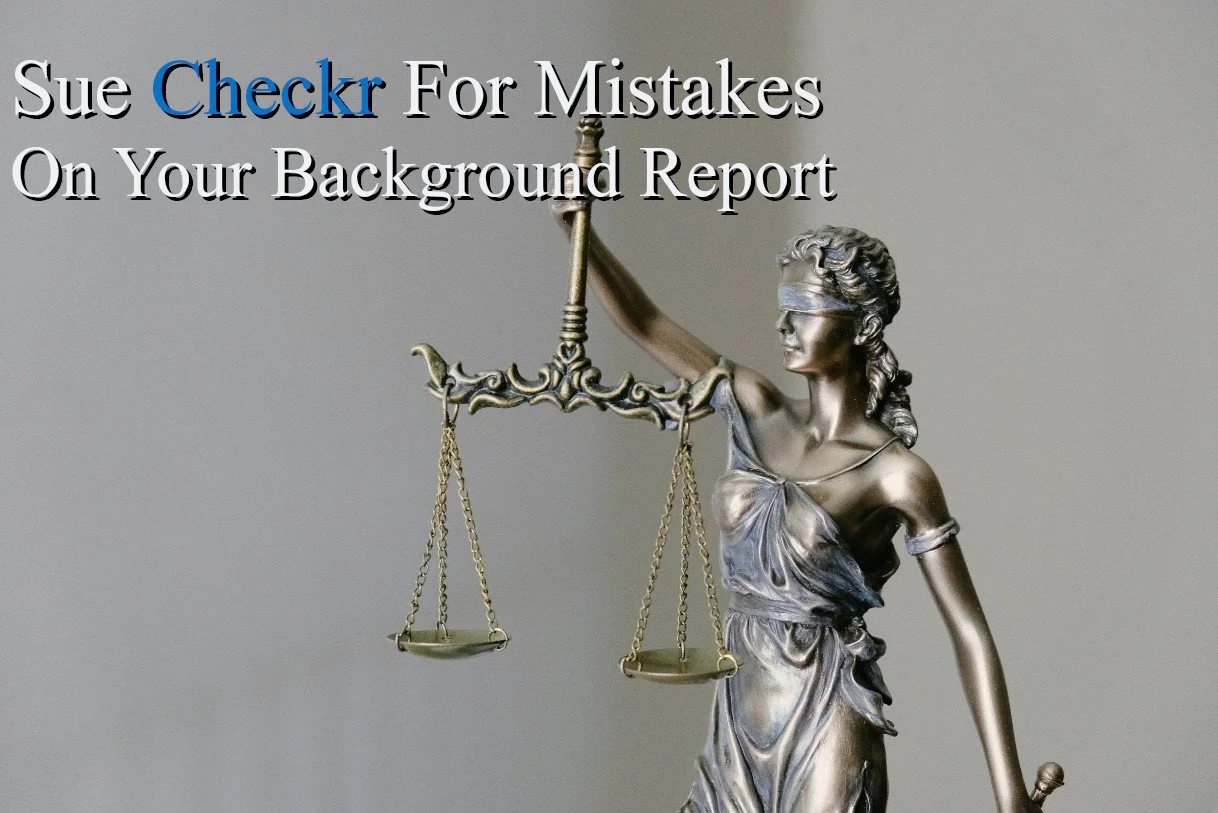
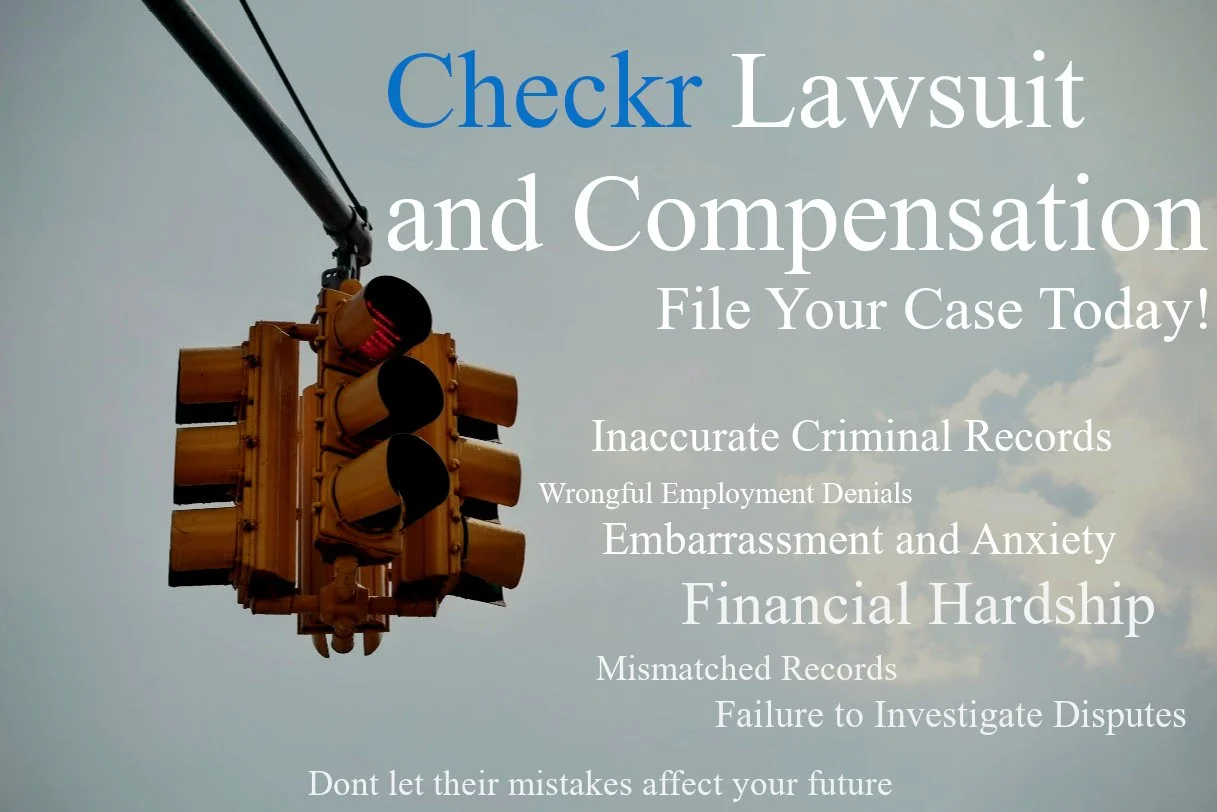


DoorDash, Uber Eats, Instacart, Amazon, Grubhub… The delivery workers are being deactivated from their accounts due to the mistakes on their criminal reports produced by Checkr Inc.